
In brief: Waterfalls, avalanches, mirror lakes, and extraordinary mountain landscape more than justified enduring Tajikistan’s perilous dirt roads.
Mountains. 93% of Tajikistan’s terrain is mountainous, with peaks of the Fann Range ascending to 5500 meters above sea level (about 18000 feet). And Tajikistan is landlocked, so it doesn’t even have sea level.
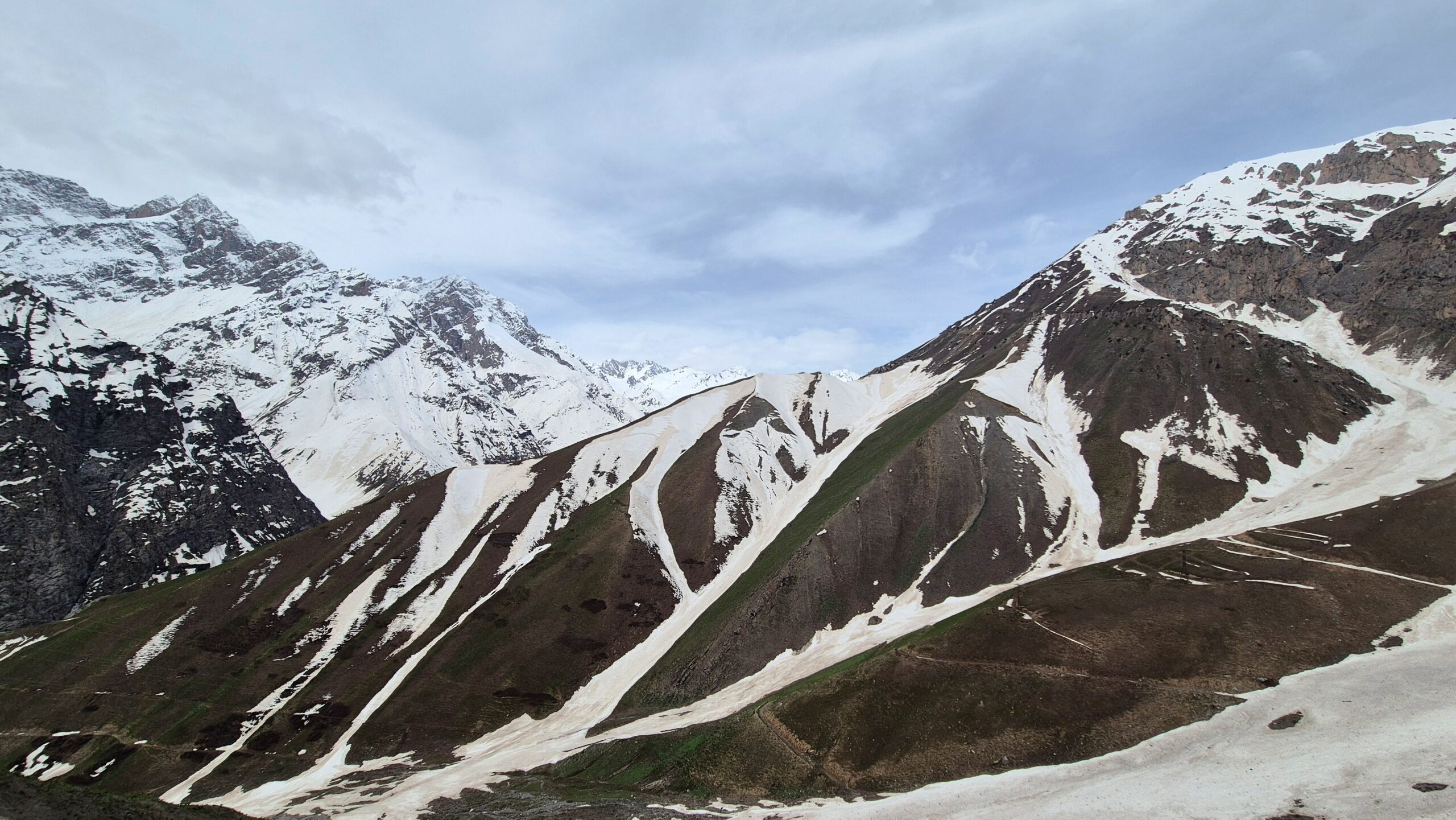
Though mountains loom nearby the capital, Dushanbe, you would get the wrong impression from its relative flatness. To feel the country, you need to travel into the upper reaches.
There you find the good, the surprisingly pleasant guesthouses whose friendly hosts make you feel an honored guest. The bad, the back roads that ascend the mountains, ranging from rough to scary treacherous. These indeed can be ugly when the rains make mud of the dirt tracks. But, otherwise, the landscape, the hiking options, and the settings of the villages are all extraordinarily beautiful.
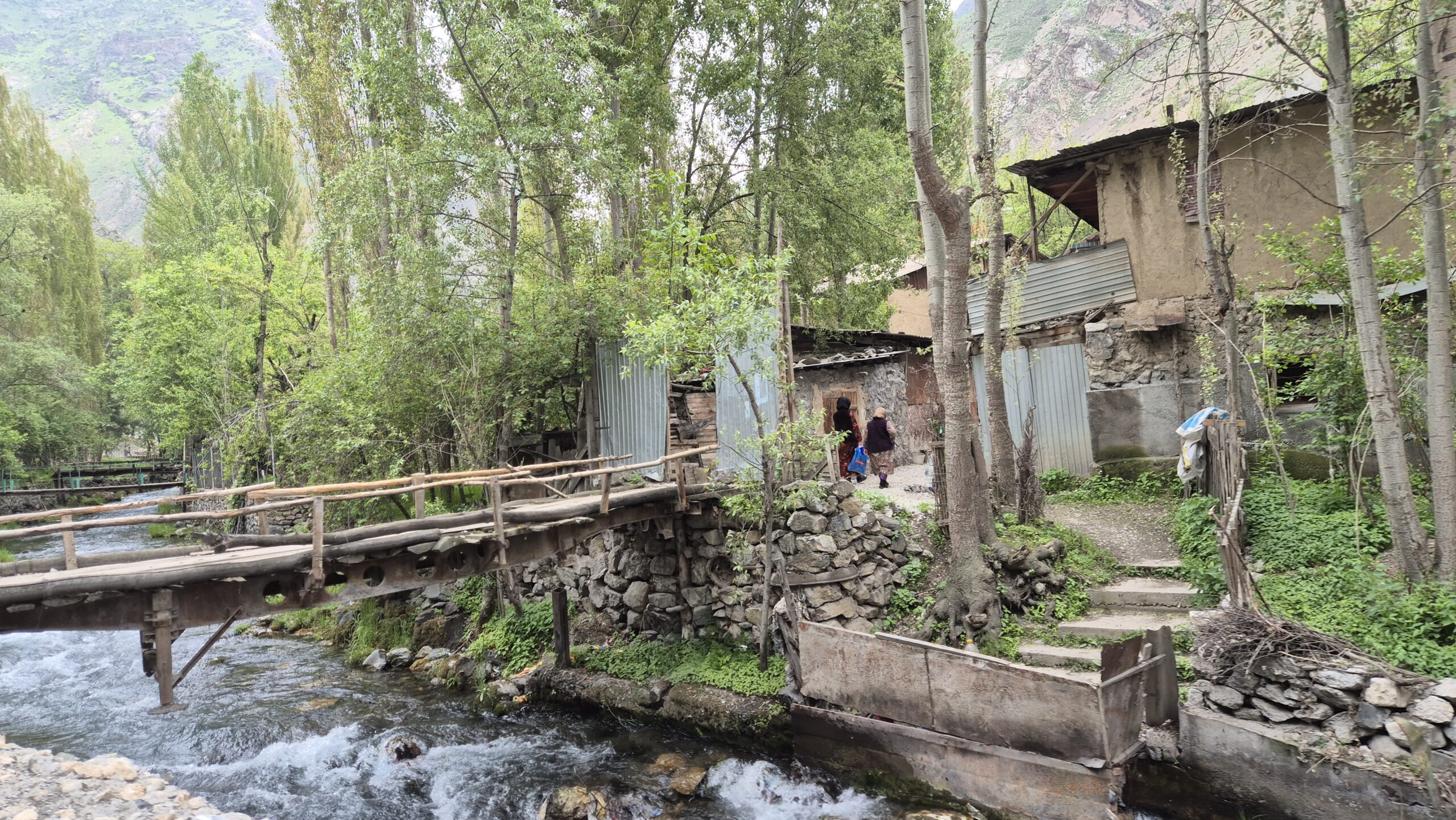
We visited four different sections of northern Tajikistan in its Fann Mountains. In part 1 of this post, we show the appeal and variety of three locales. In part 2 (click here), we share the famous Seven Lakes district near historic Panjakent.
The Good: Guesthouses
We were a bit worried about staying in so many backcountry guesthouses. We’ve roughed it over the years, but we were scheduled for about a week of village accommodations. What would they be like?
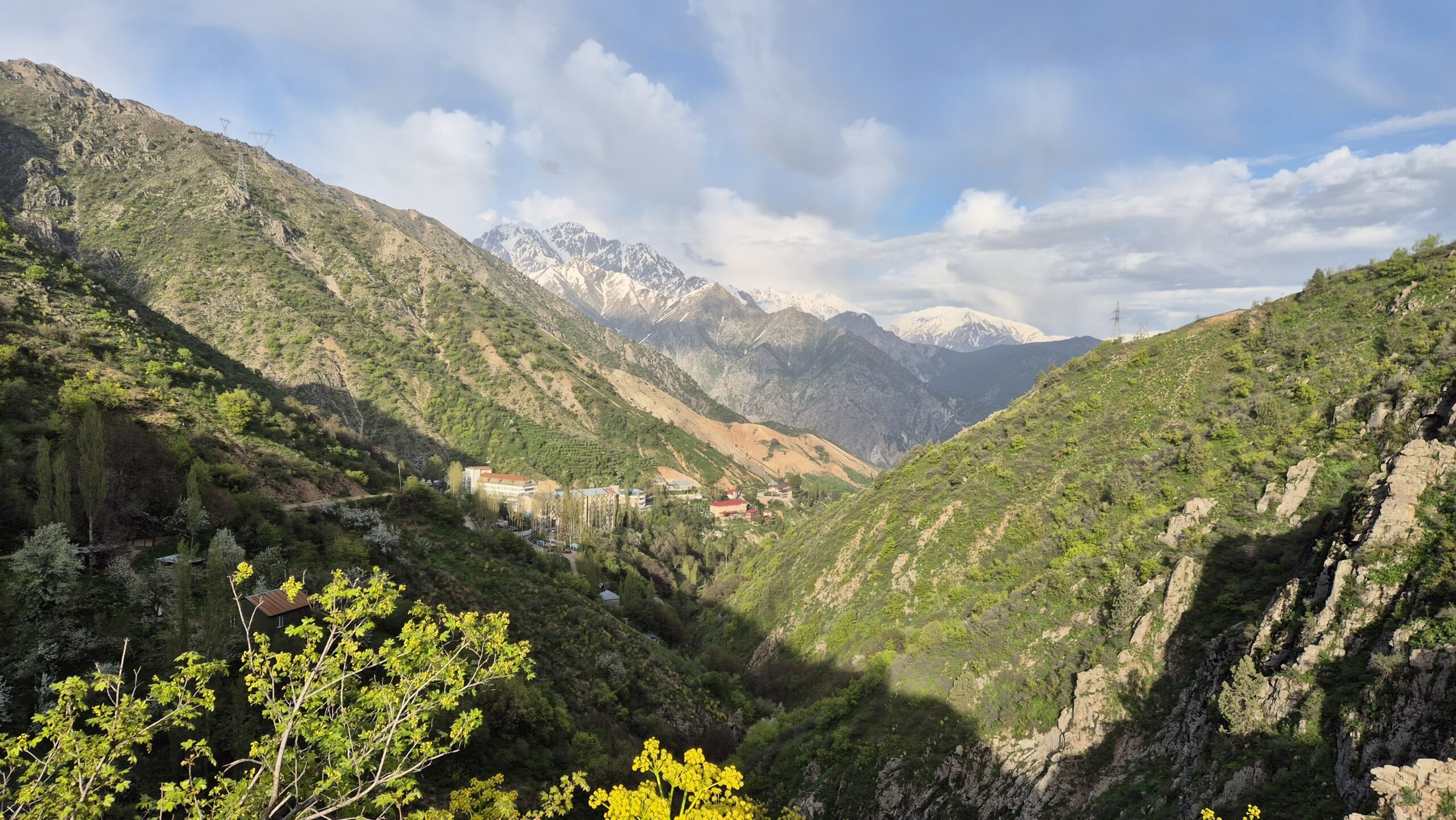
One was a sanatorium, renowned for its healing spring waters. Locals flock to it in the season to take any of a myriad of treatments to refresh themselves and restore health.
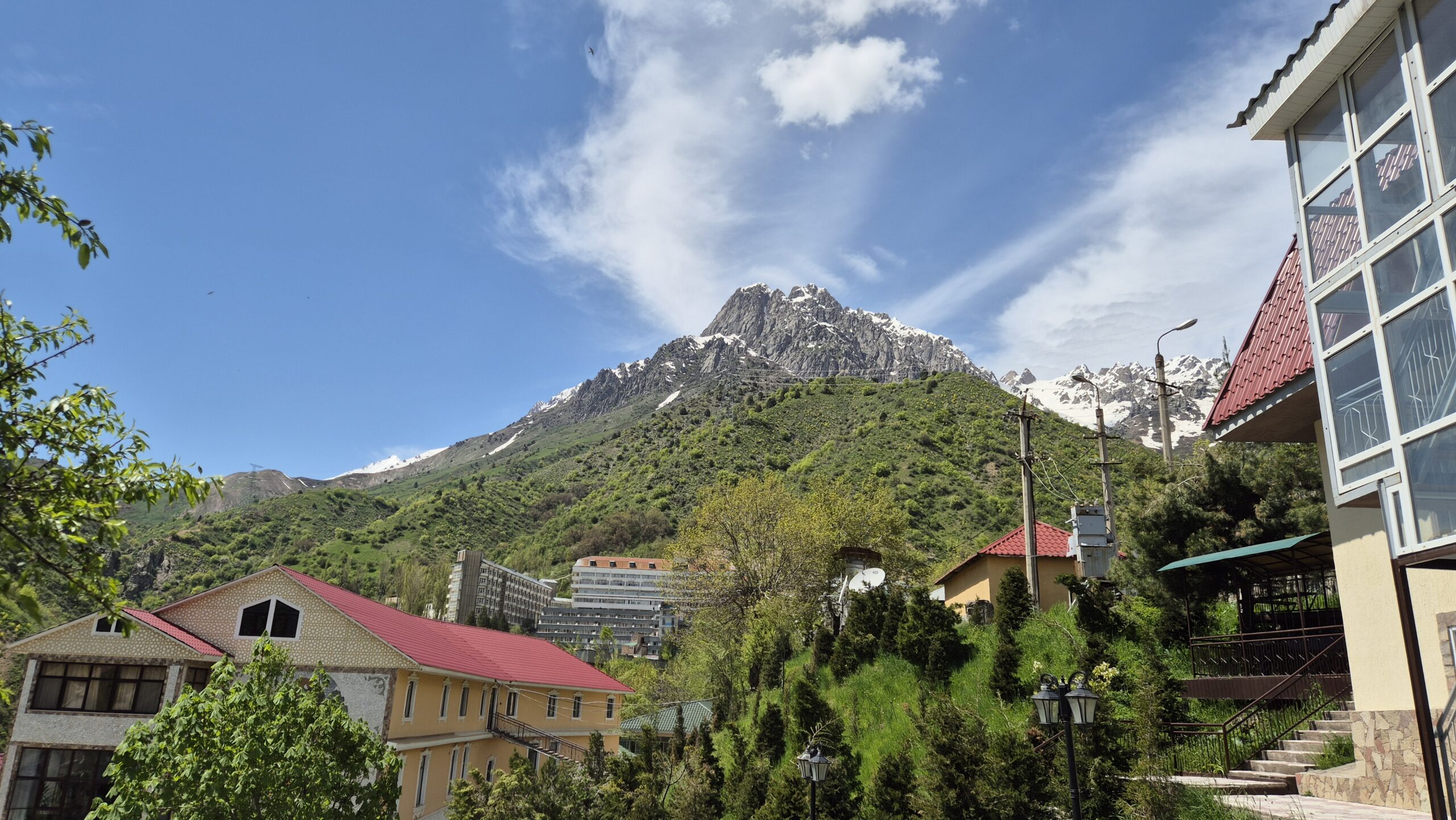
While we were there, it seemed most of the visitors preferred the large meals to the salutary treatments. The rooms were outfitted elaborately with old style heavy furniture. We even had a separate closed patio for lounging, with a low table surrounded by rugs and pillows, set up in traditional Ottoman style.
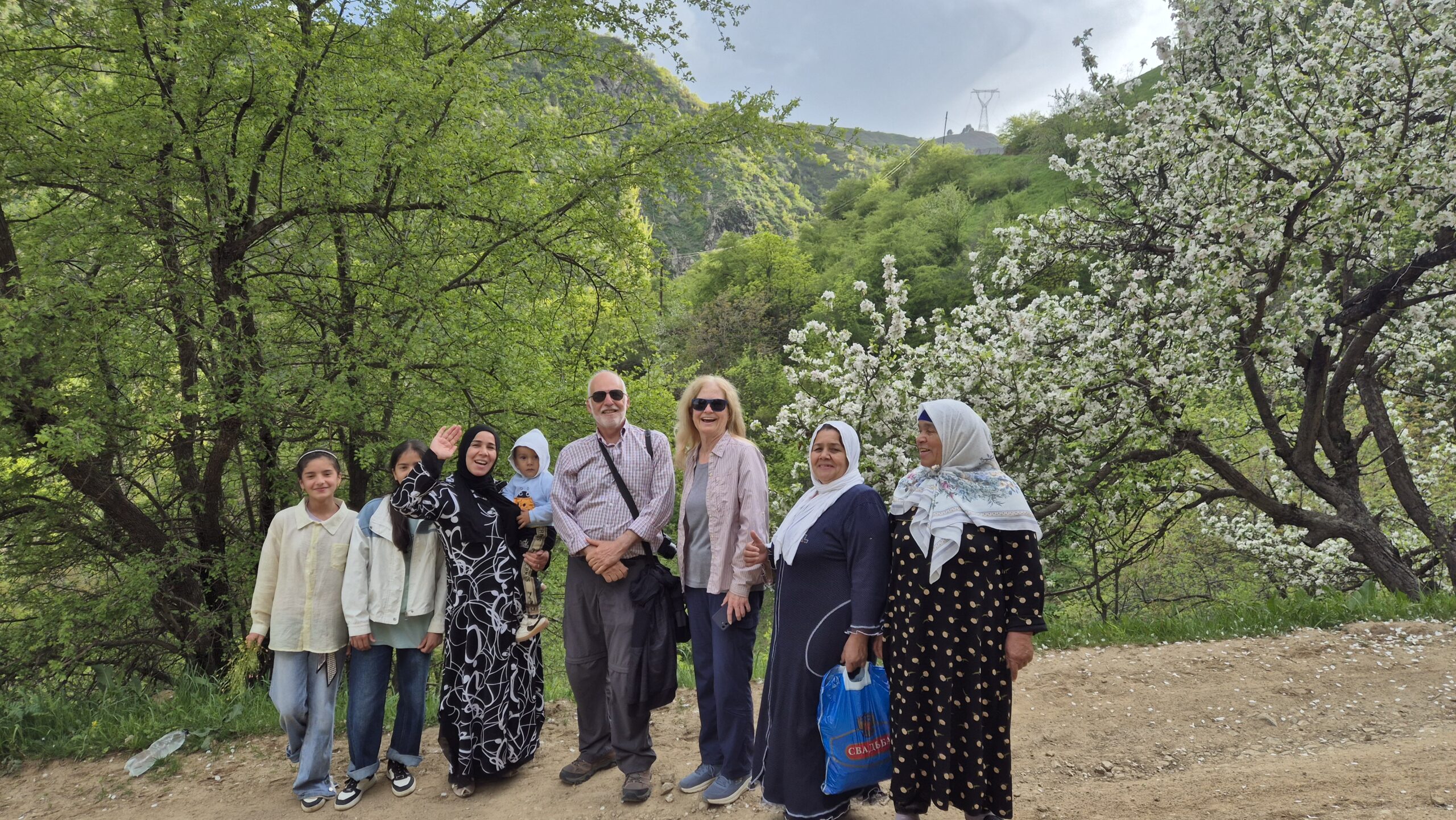
Another guesthouse, at remote Artuch Base, was an older version of the same setup, though with two bedrooms. The rougher conditions were fine for a night. Most visitors are pleased to have anything like this, as they are preparing for lengthy hikes in the vicinity.
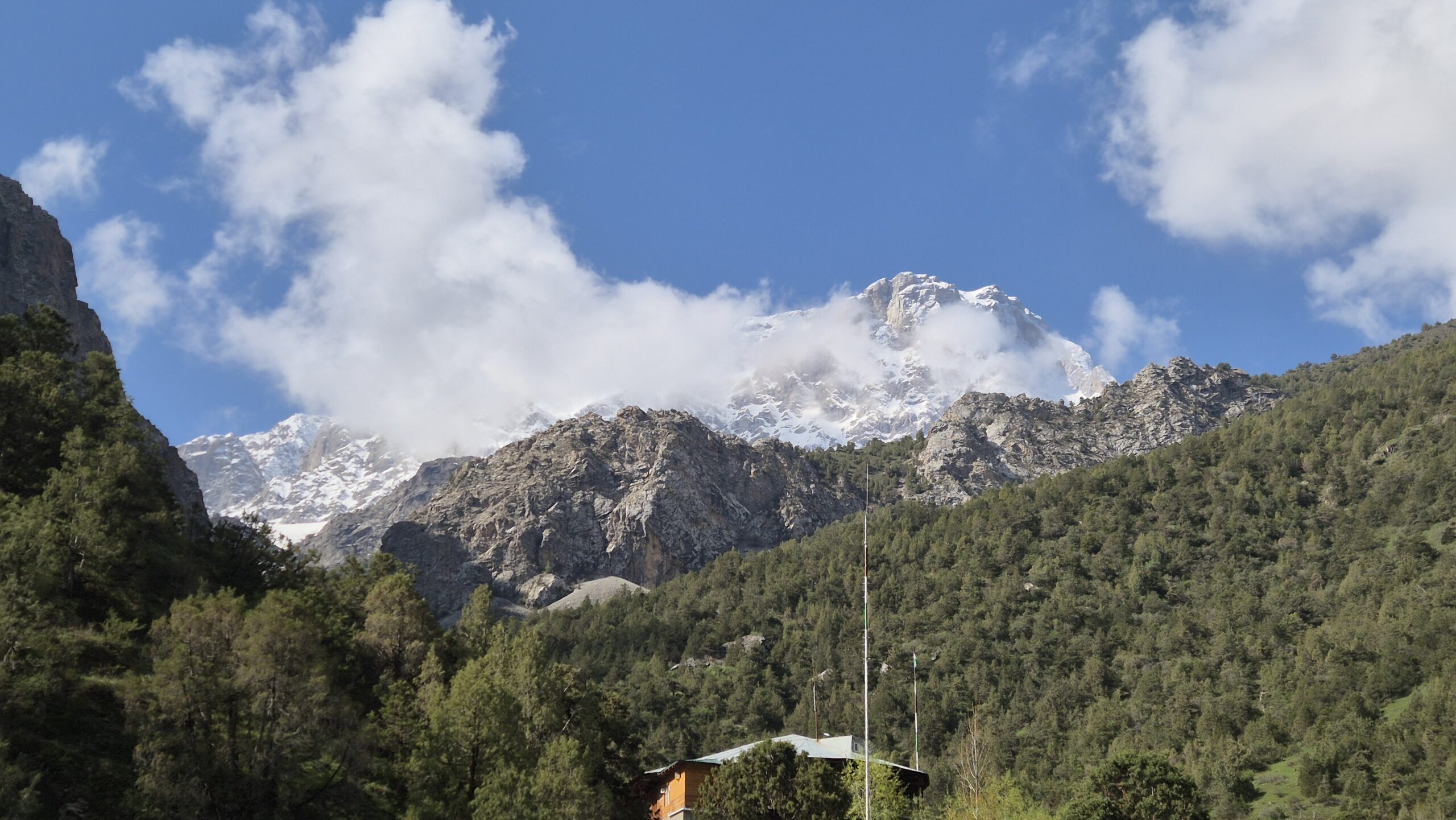
The rest of the guesthouses were surprisingly comfortable and roomy, with private bathrooms and hot showers. They were furnished simply, but newly renovated. The views outside the windows or around the properties were extraordinary. Despite the very cold weather at night, we were comfortable. Each provided heaters in the rooms strong enough to keep things warm, and heavy comforters on the beds to burrow into.
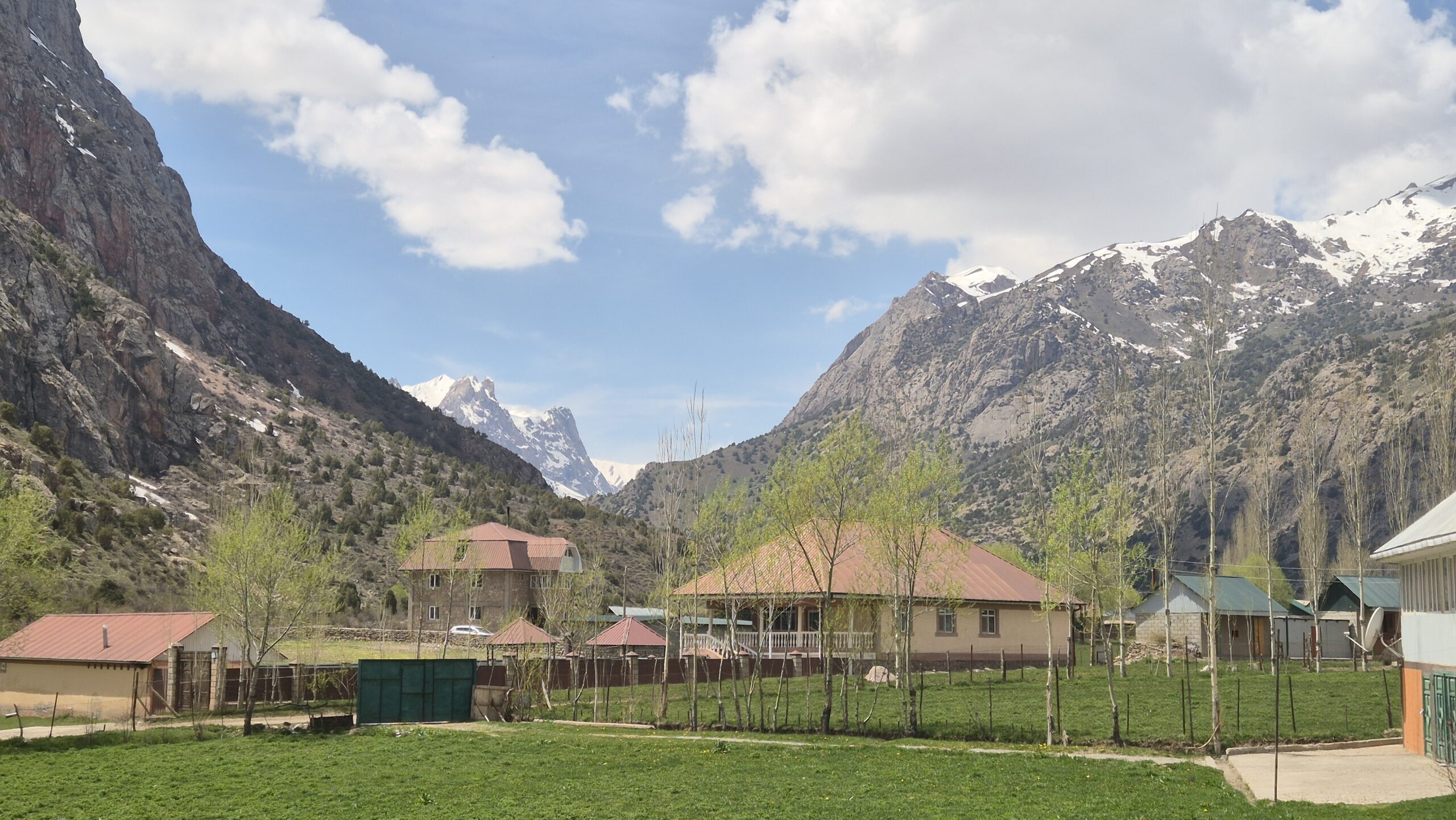
Our gracious hosts at these guesthouses were willing to help in any way. Though we could barely communicate except with Translate, one even helped us deal with a local drunk who wouldn’t leave us alone.
Each offered three meals per day for the guests, but there is no menu. The norm is a basic, yet filling, offering of meat stew with over-cooked potato, cabbage, and carrots; soup often with canned vegetables; fresh salad of cucumbers and tomatoes; local white bread and delicious wild cherry jam (pits included); plus our favorite, chaka, the local form of labneh/strained yogurt.
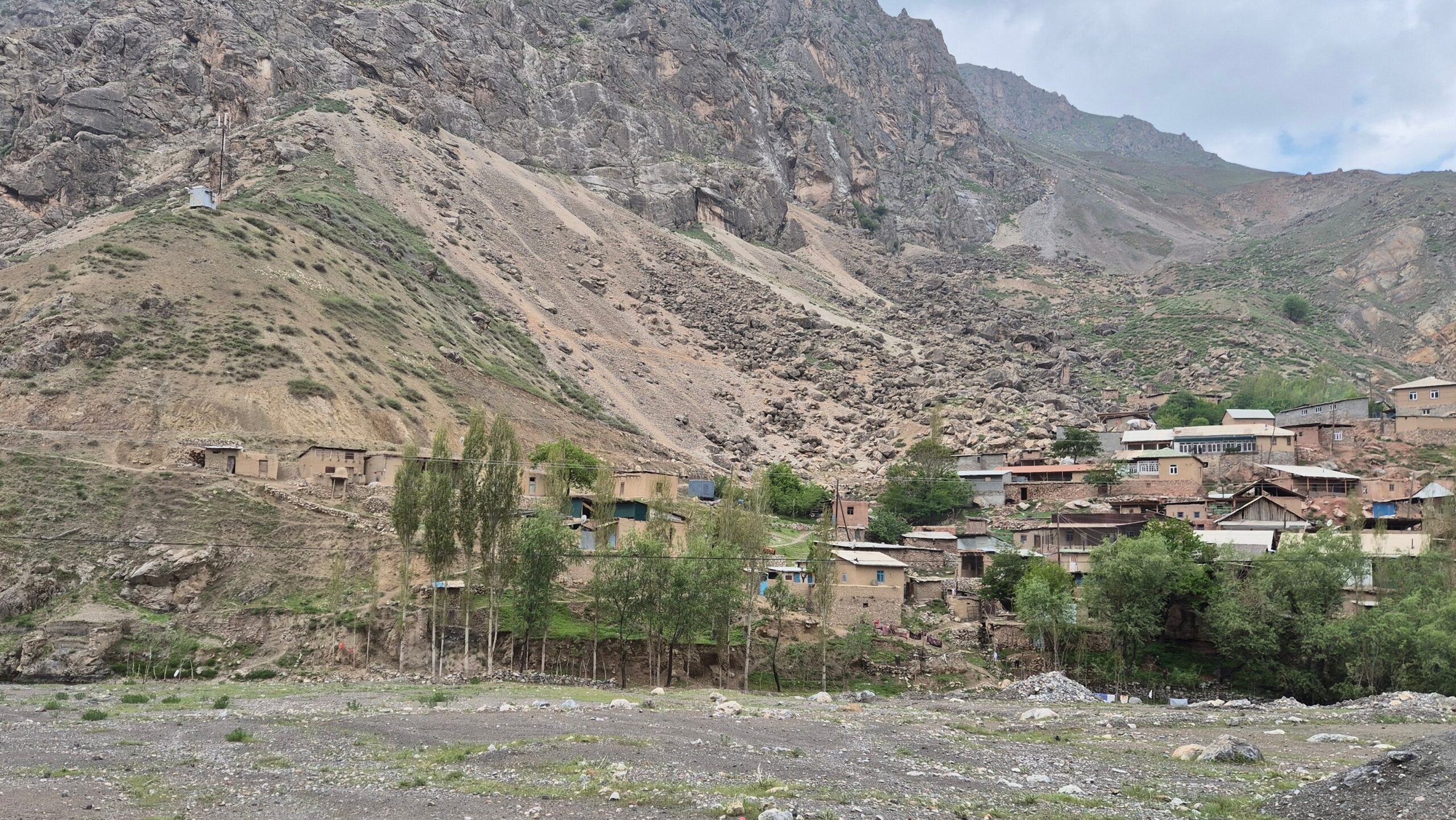
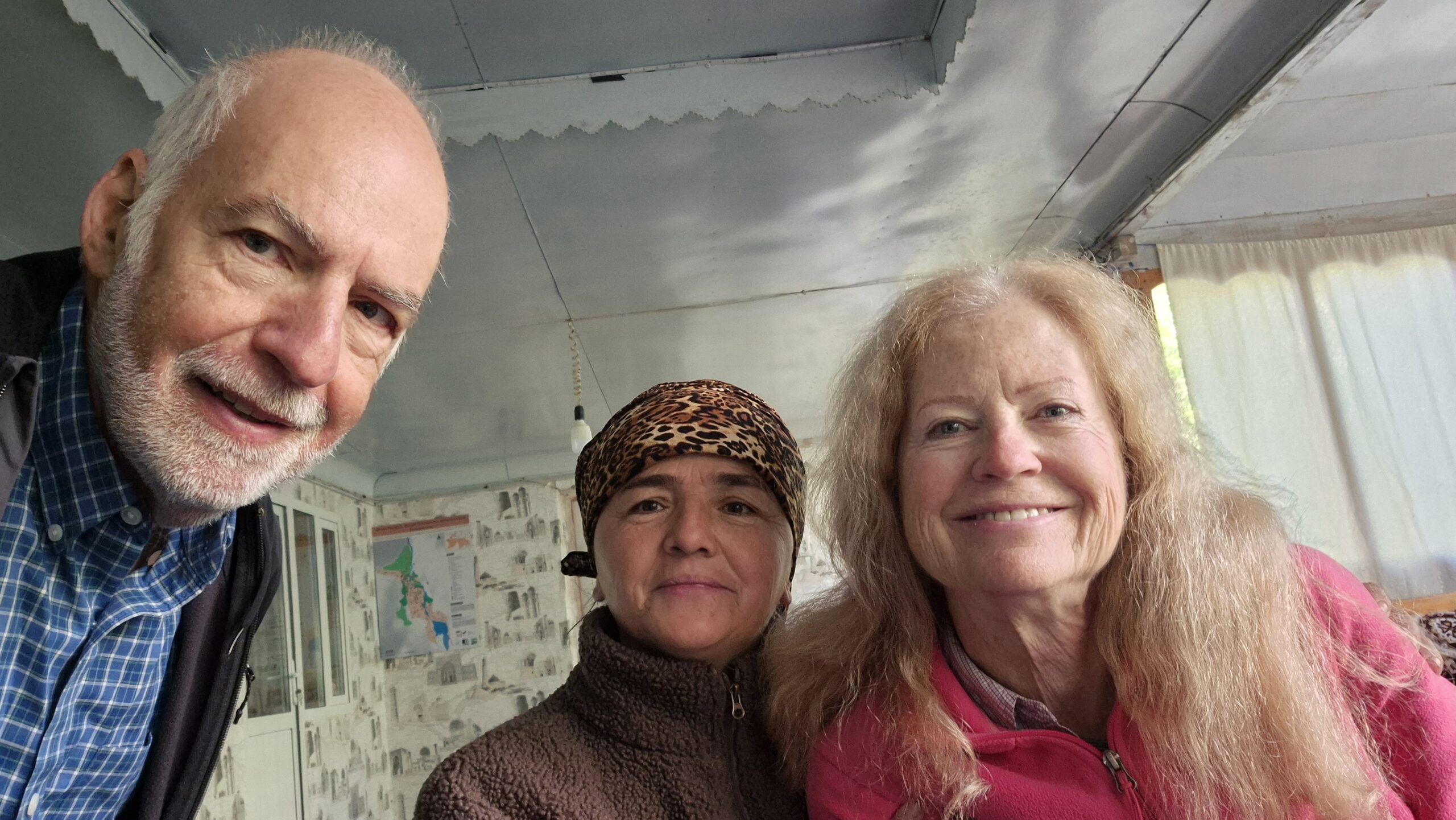
We had already discovered it was tough to be a vegetarian in Tajikistan, where beef and chicken define what a meal means. Happily, several of the guesthouses let us use their kitchens to cook. We made a few meals with tofu we had found in the Dushanbe market, along with lentils, fresh vegetables, etc. that we had bought. At Artuch, we were given a corner of the stove to work with and provided entertainment for the main cook, a woman who was busily making the meat stew for other guests. In another, the ebullient manager (and chief cook) of the guesthouse acted as sous-chef while we prepared the meal in her small kitchen.
The Bad: Dirt Roads
We have driven a lot of bad roads in our day (driving in parts of Costa Rica or across Patagonia in Chile…rutted, bumpy, narrow, muddy, and more). We even biked along the sodden track of Death Road in Peru, with its steep cliffs alongside.
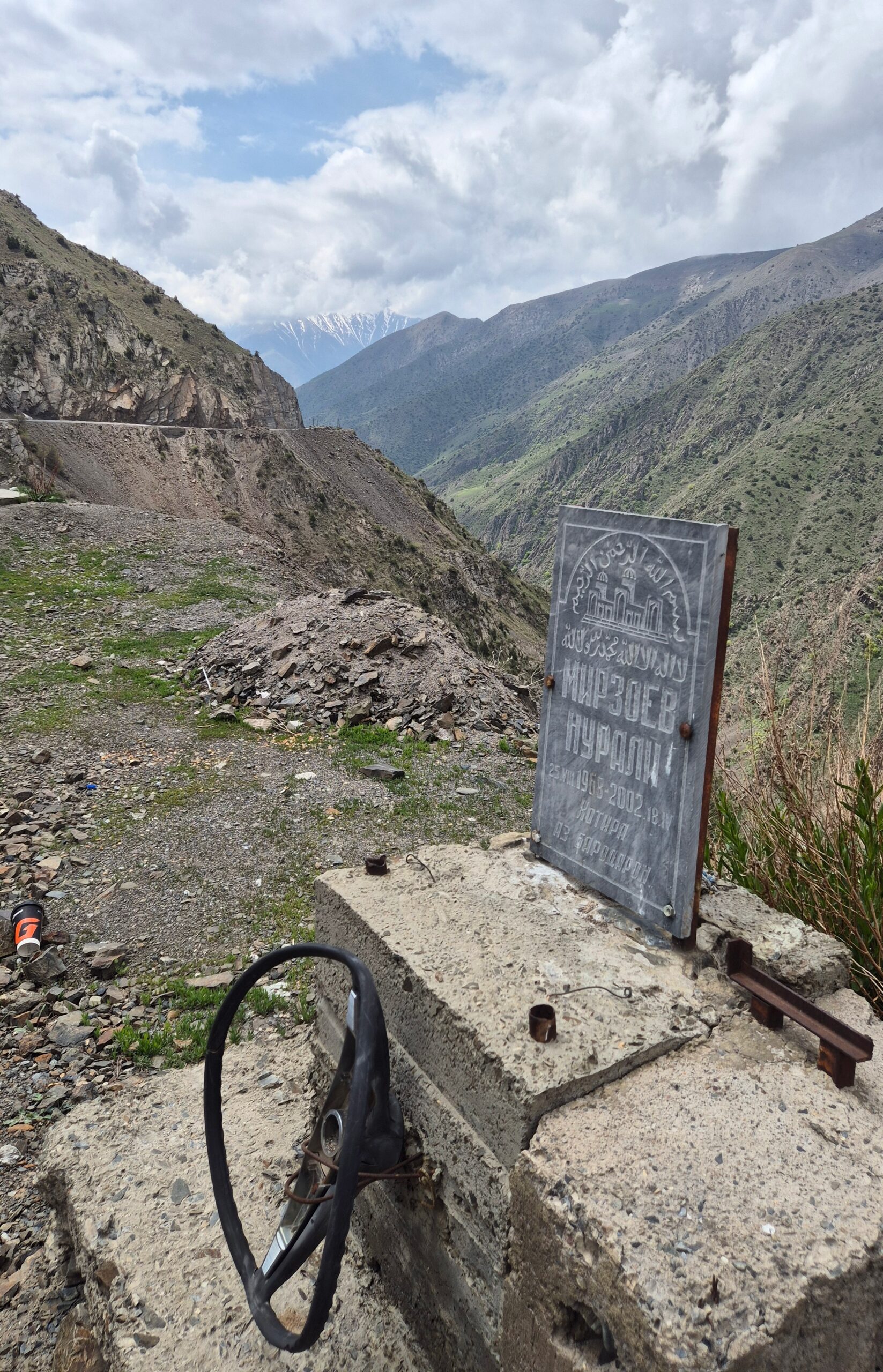
But here we were so glad to have experienced drivers to take us to the beautiful locations of the guesthouses.
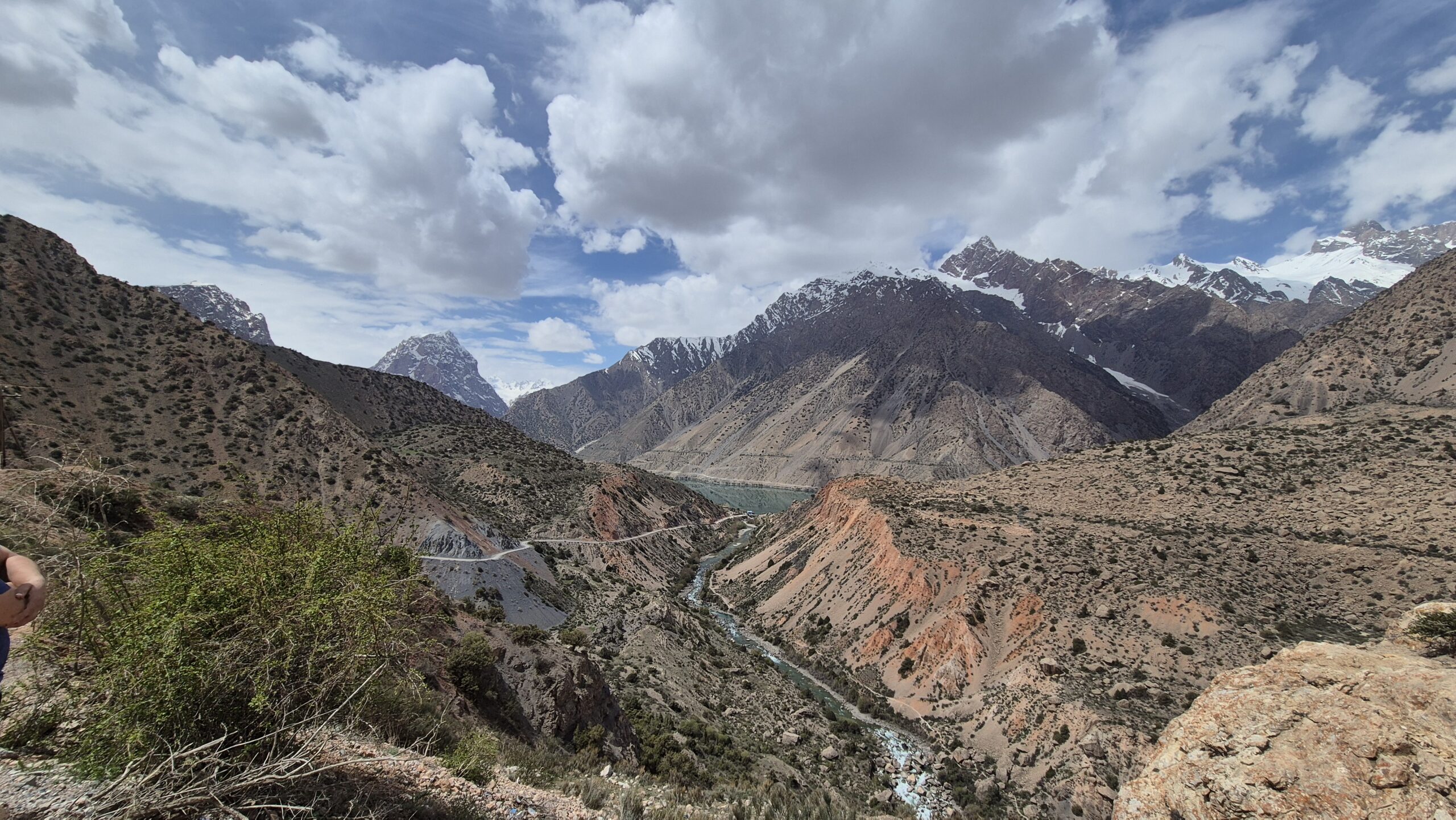
The routes present tough roads and driving conditions, with many sections that would induce prayer even if you’re not religious. There aren’t even guardrails on the paved roads. The best of the dirt roads are just rutted and steep; the worst pass below landslide-prone rock faces, just a hair from steep drop-offs.
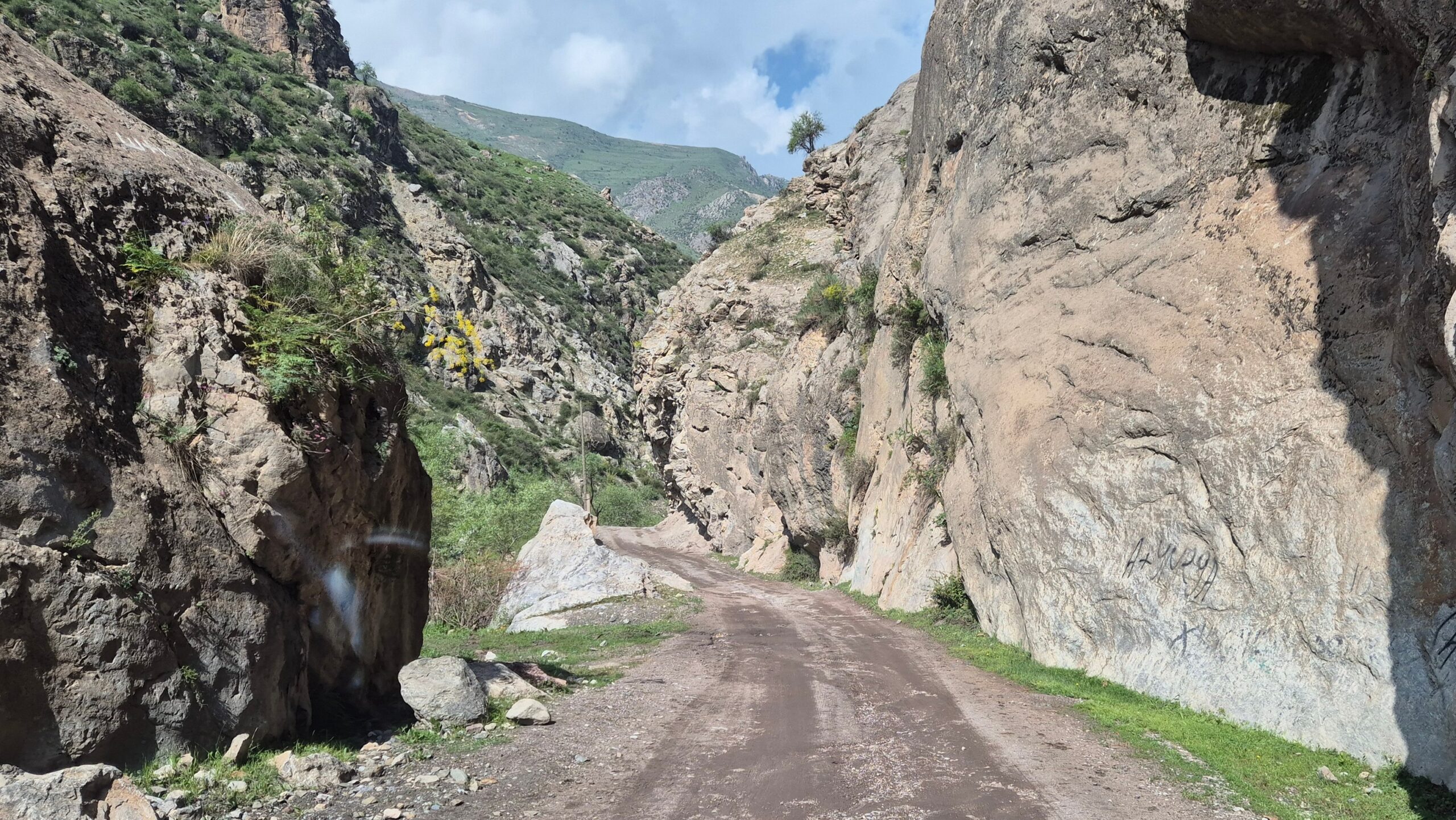
Add in a bit of rain and you’re wrangling muddy, slippery parts.
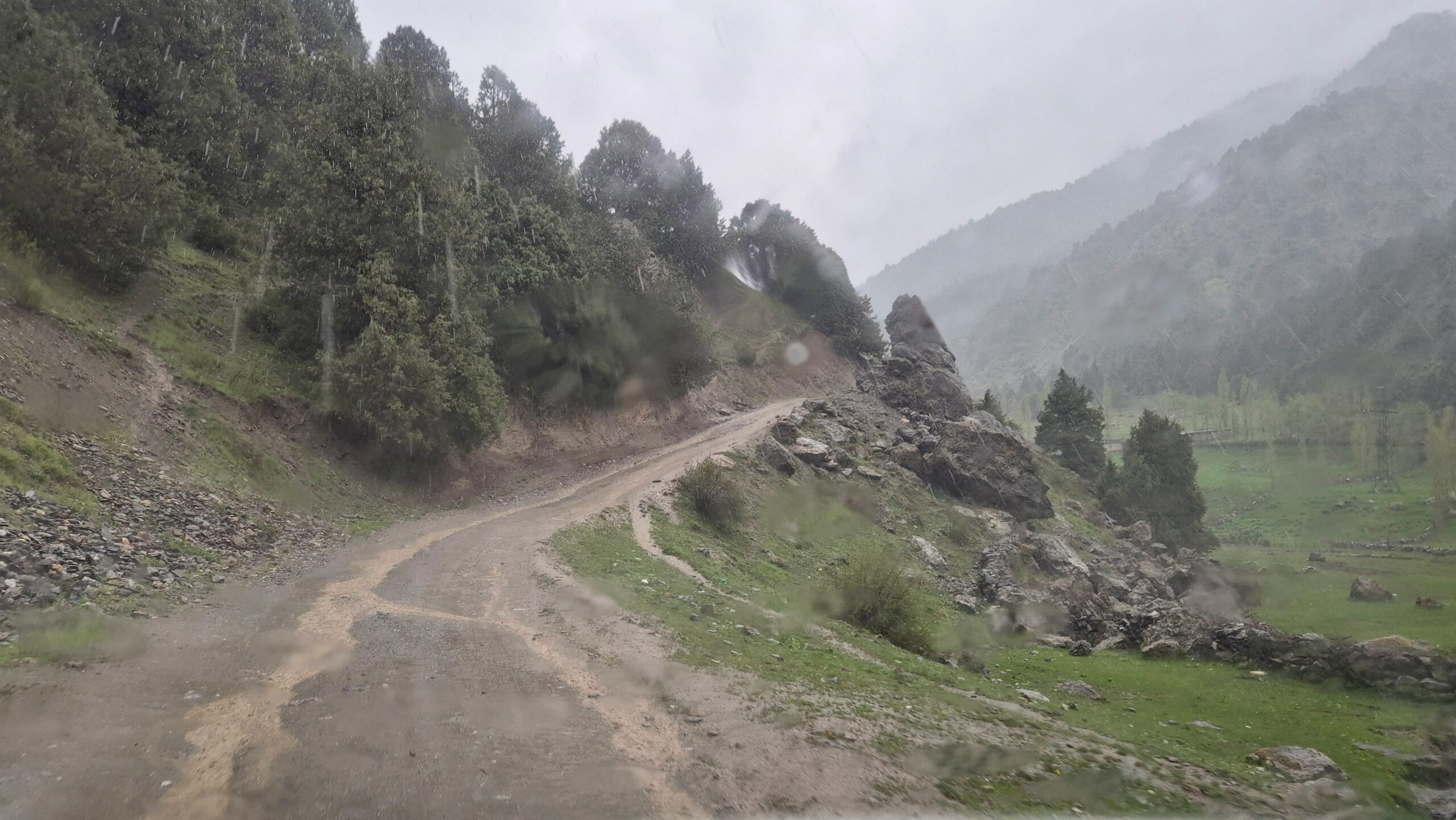
We were stopped on the last climb at Artuch base by a truck stuck athwart the road after sliding off track. In another place, a van had swerved into a ditch, thankfully on the uphill side of the road.
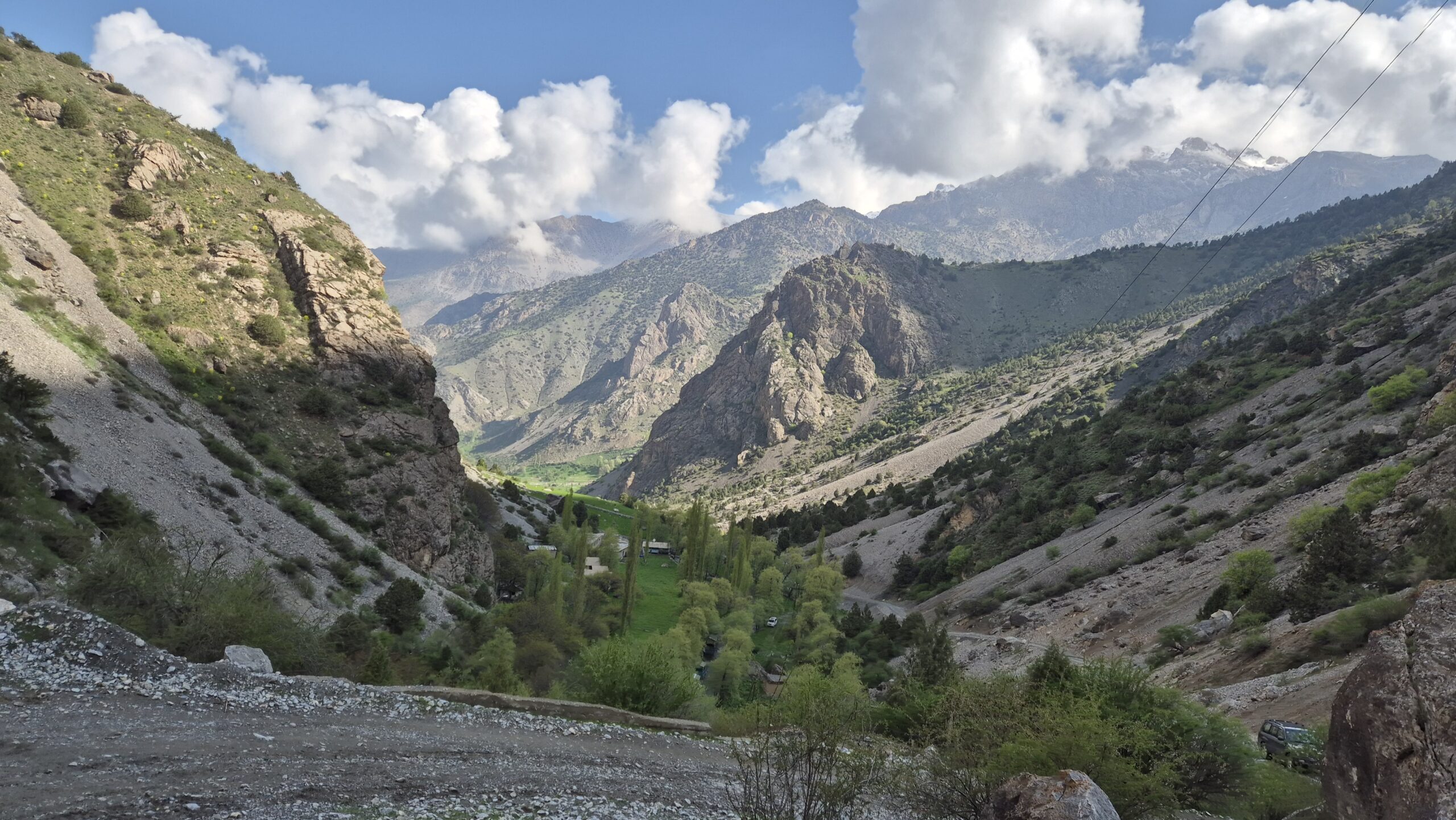
In short, you need an experienced driver for trips here. All the more surprising perhaps are the many vehicles we encountered, including local minivan buses transporting villagers back and forth to towns.
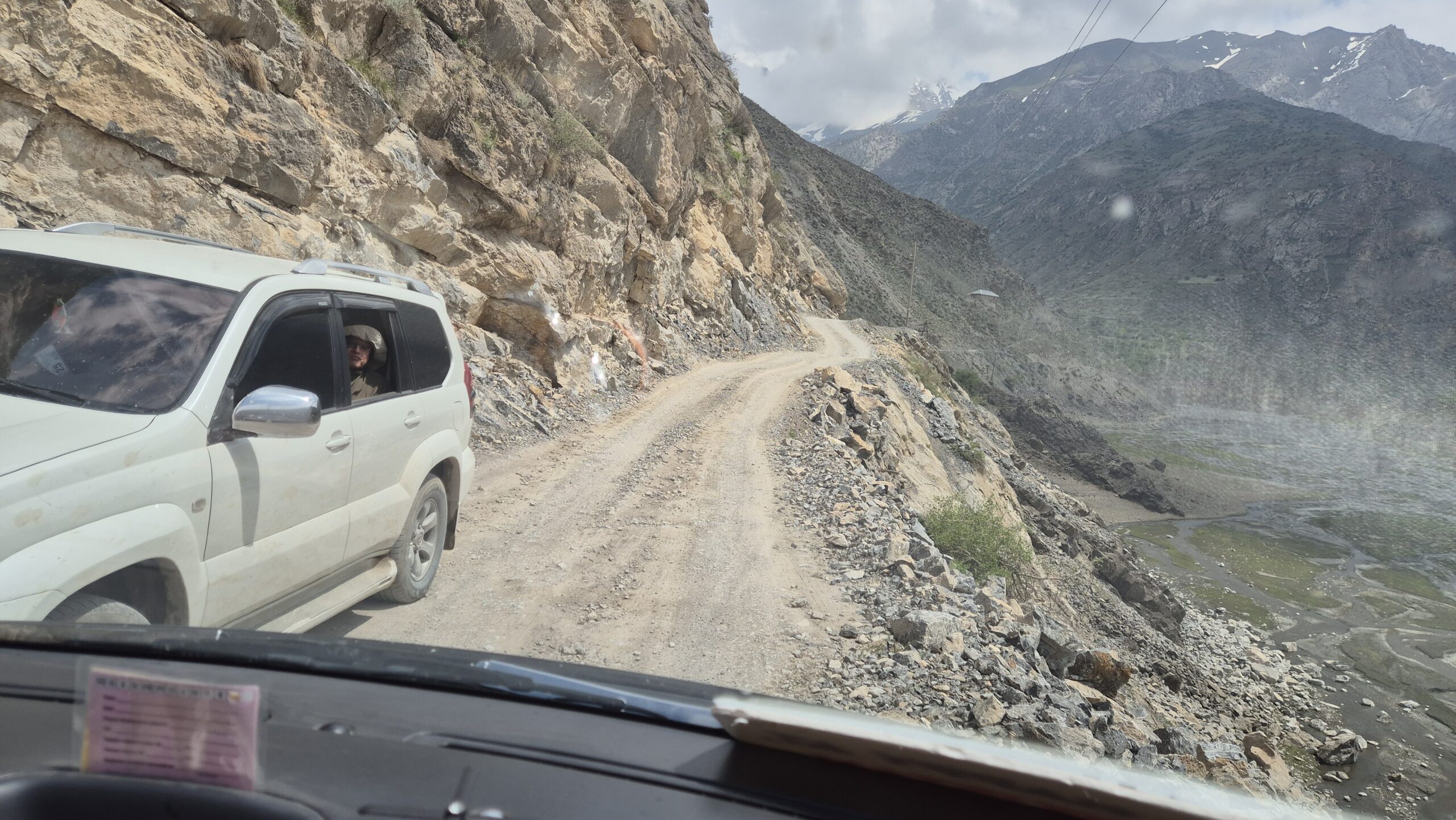
So, just for fun, here’s a short video of just one section of road in the mountains (at the speed we were going).
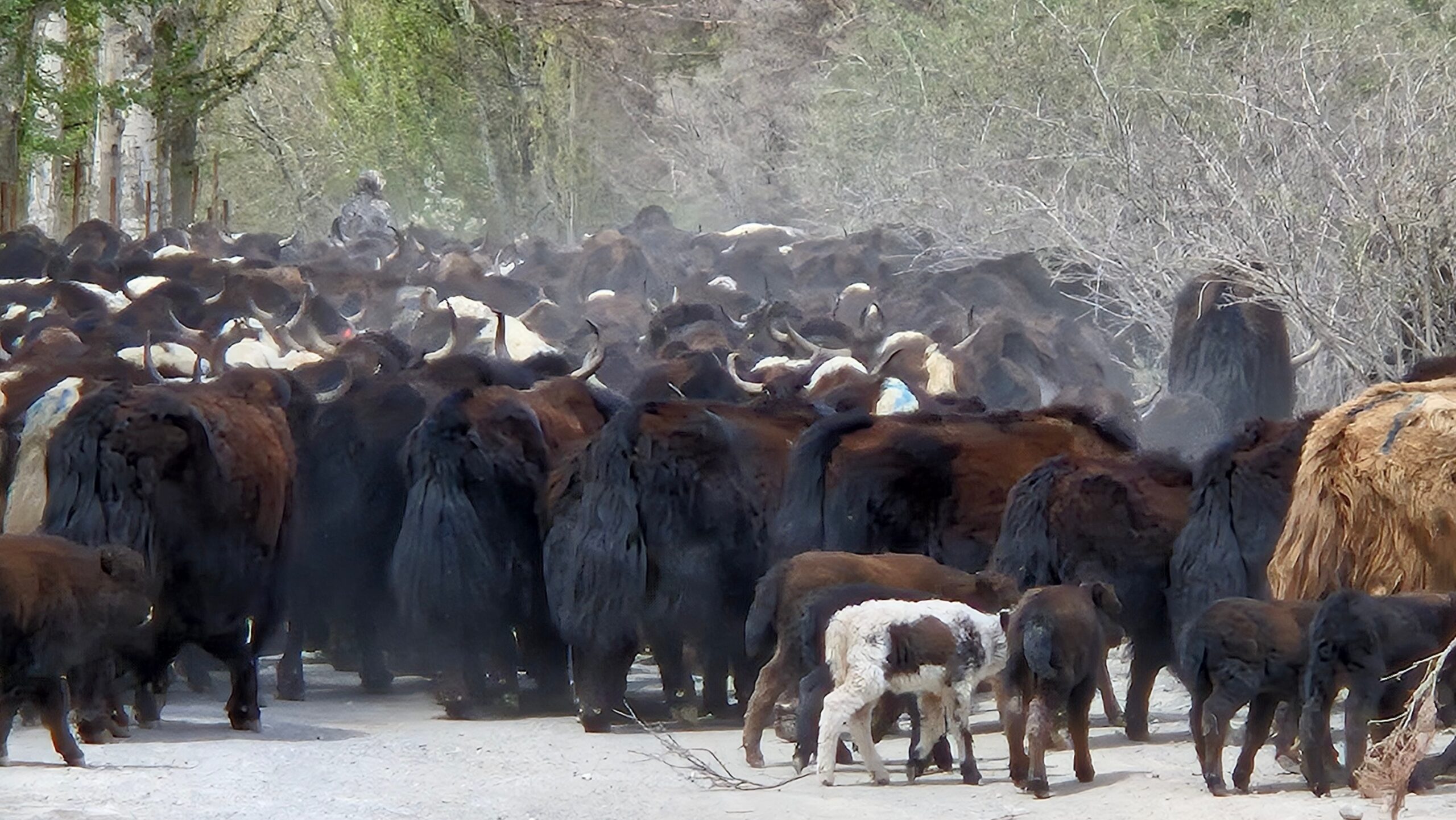
On arriving at Lake Iskander, after a typical hair-raising ride, we found yet more (yak) hair in our path.
And then there are the trucks. In many of these locations, up to 100 kilometers deep into the mountains, Chinese companies are mining for gold and other minerals.
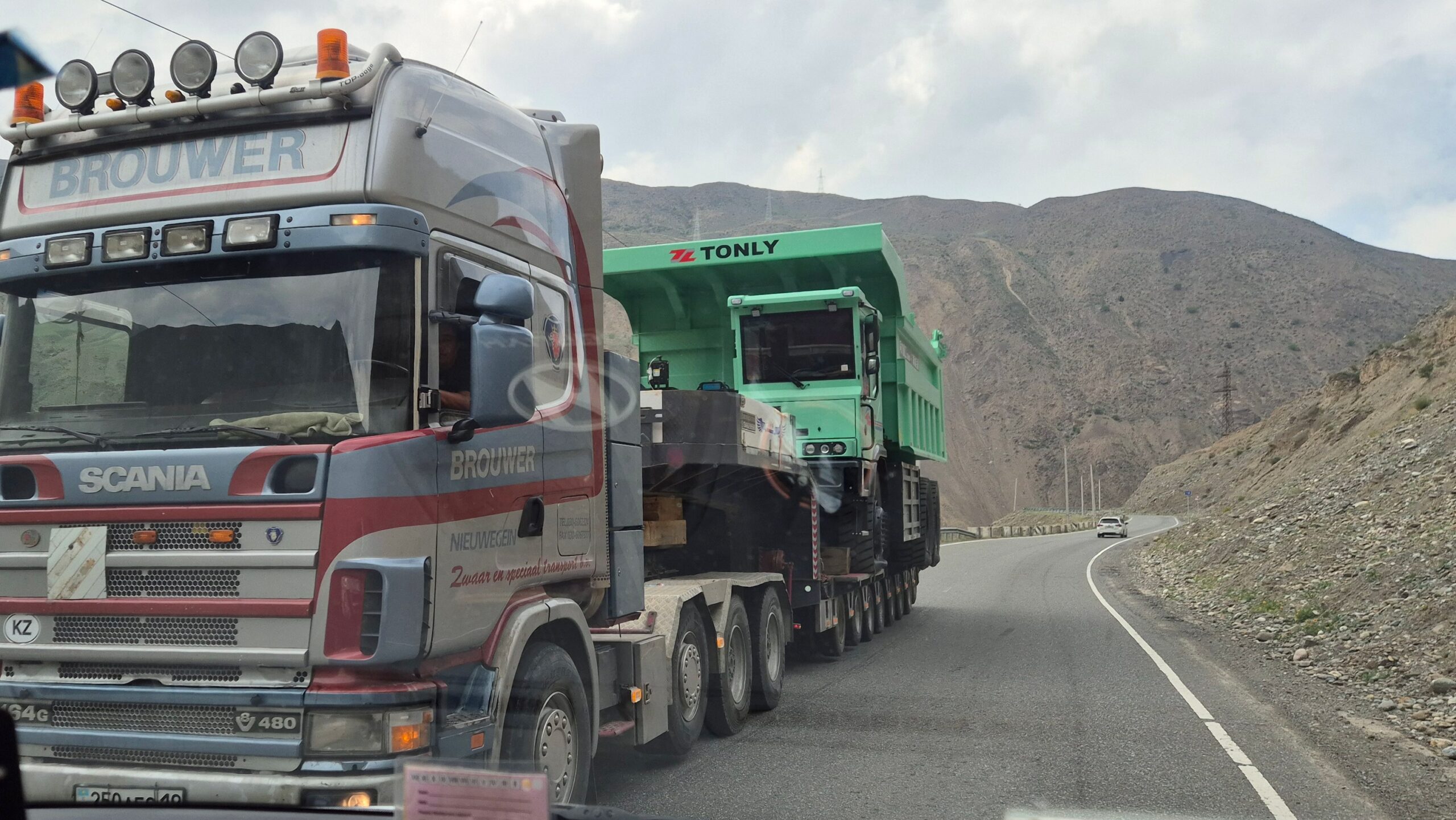
In hauling out their loads, the trucks grind up the road even in flatter sections. The roads that the companies “improved” have opened up better access to parts of the backcountry. Also, they added high-voltage electric lines for their use and for the villagers.
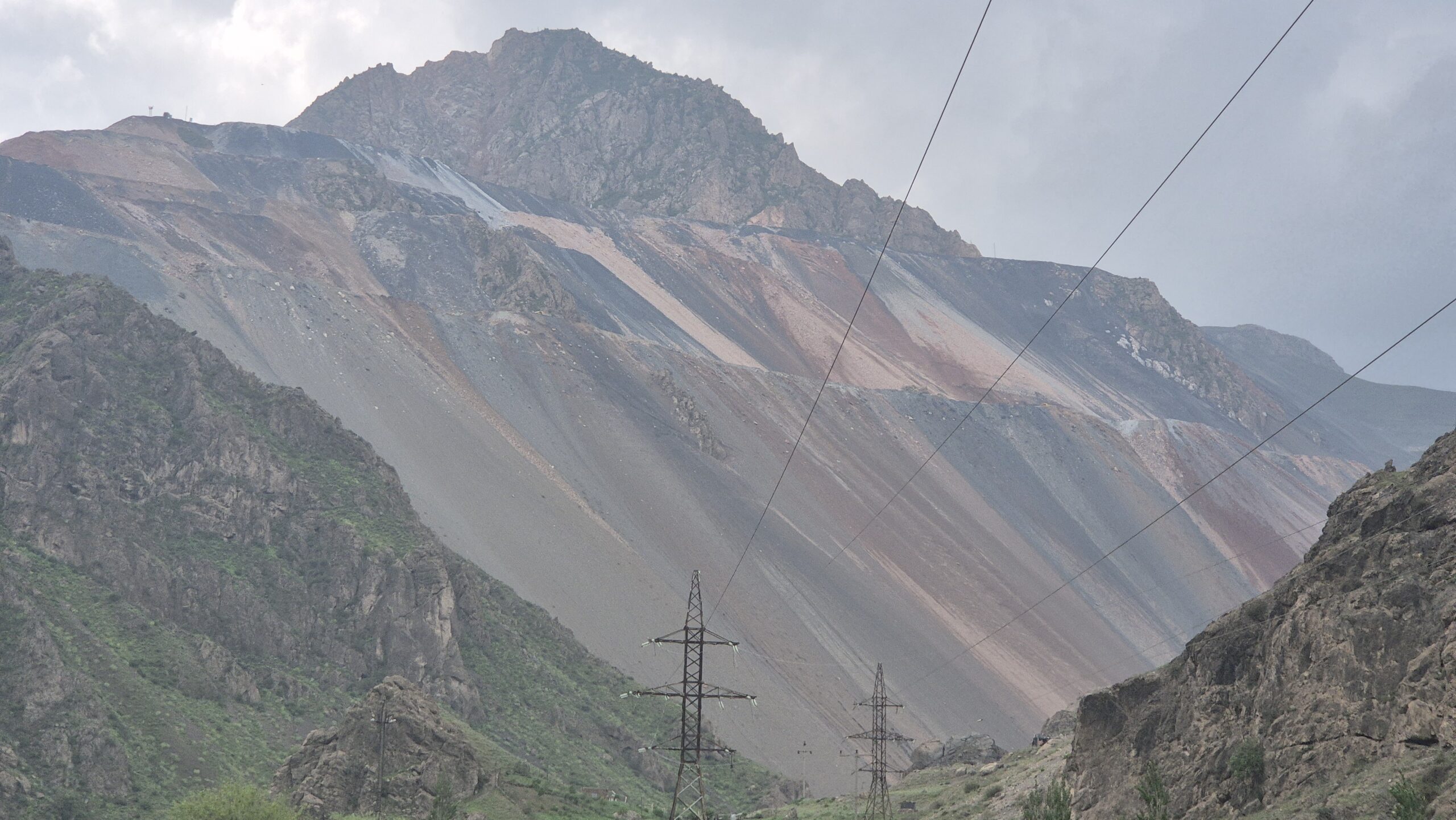
But their promise to make better roads, turning dirt routes into asphalt, hasn’t yet been fulfilled.
On the plus side, we were amazed to find internet or some level of mobile service in most of these guesthouses. Some places use satellite connections or mountain-top repeaters. And we think access has improved due to the installation of those electrical lines deep into the mountains.
The Beautiful: Landscape of the Fann Mountains
There is an obvious reason that trekkers come to locations like these for weeks at a time to cross the trails and passes of the mountains. There are now many companies that can help supply guides, as well as donkeys which carry packs up and down the trails.
In every location, we did day hikes of various lengths at altitudes ranging from 1800 to 2400 meters (about 6000 to 8000 feet).
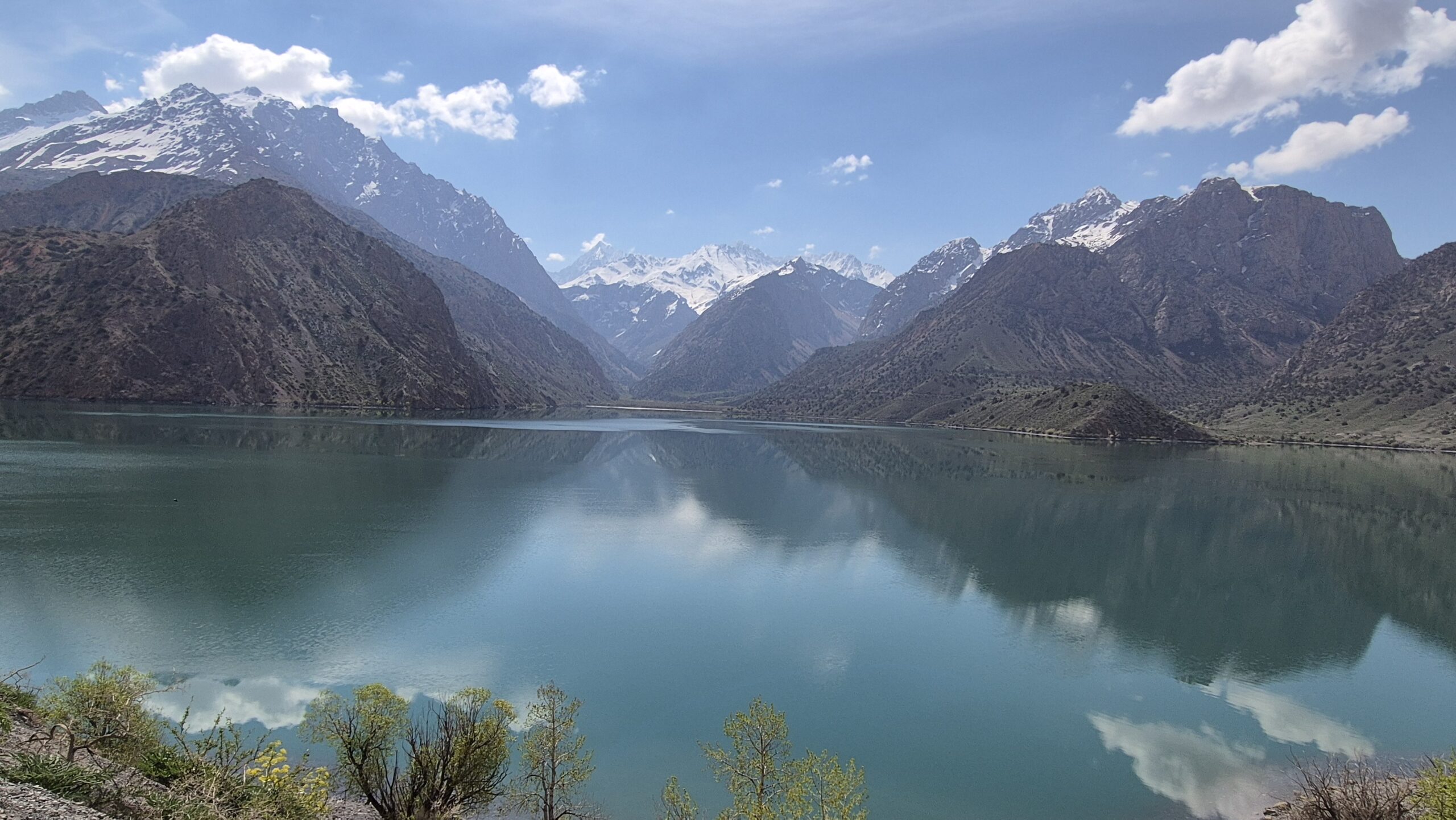
One hike began at Iskander-Kul (Lake Alexander), named for Alexander the Great, who not only spent much time rampaging through the region, but found his wife Roxhana among the locals.
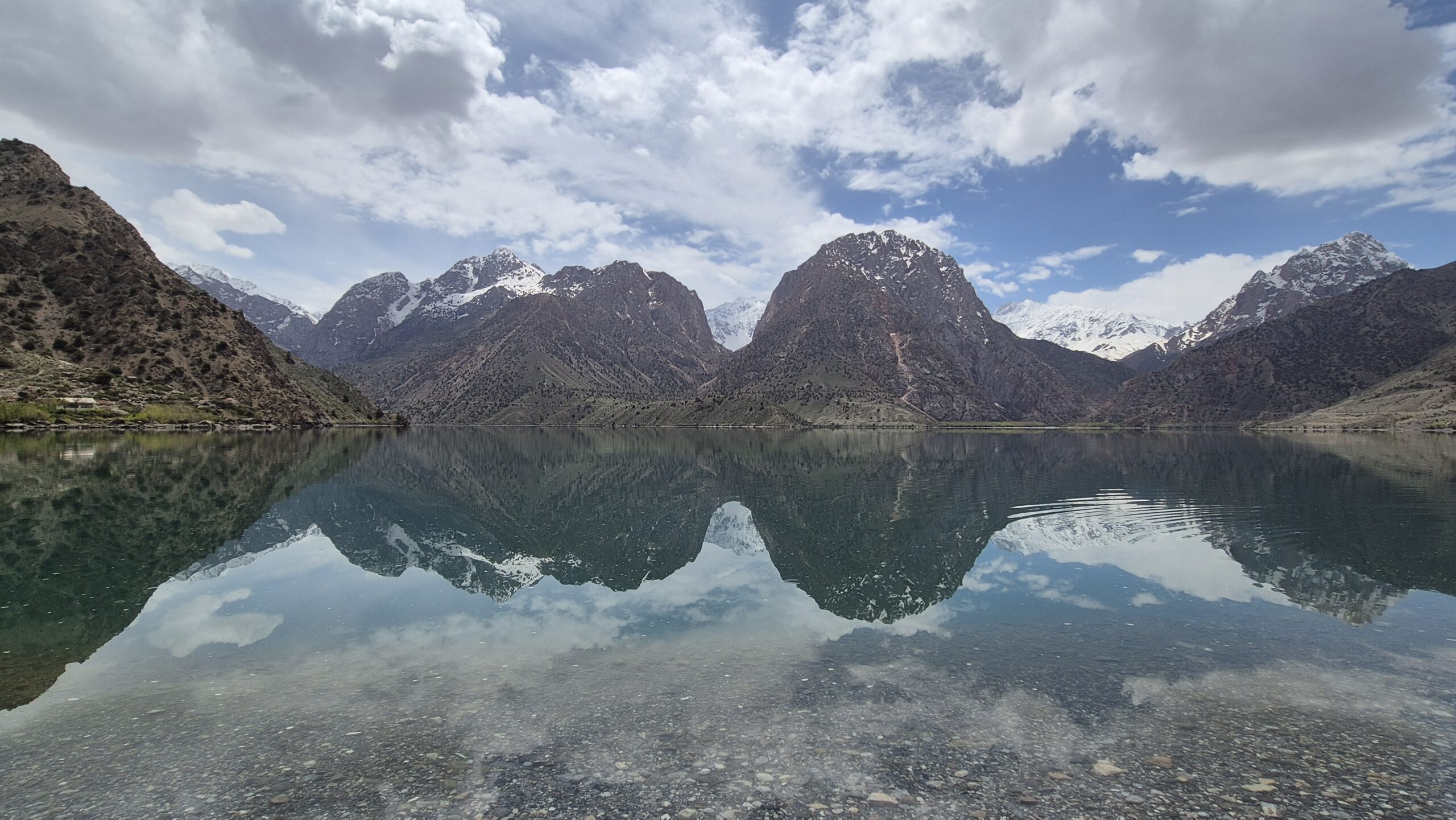
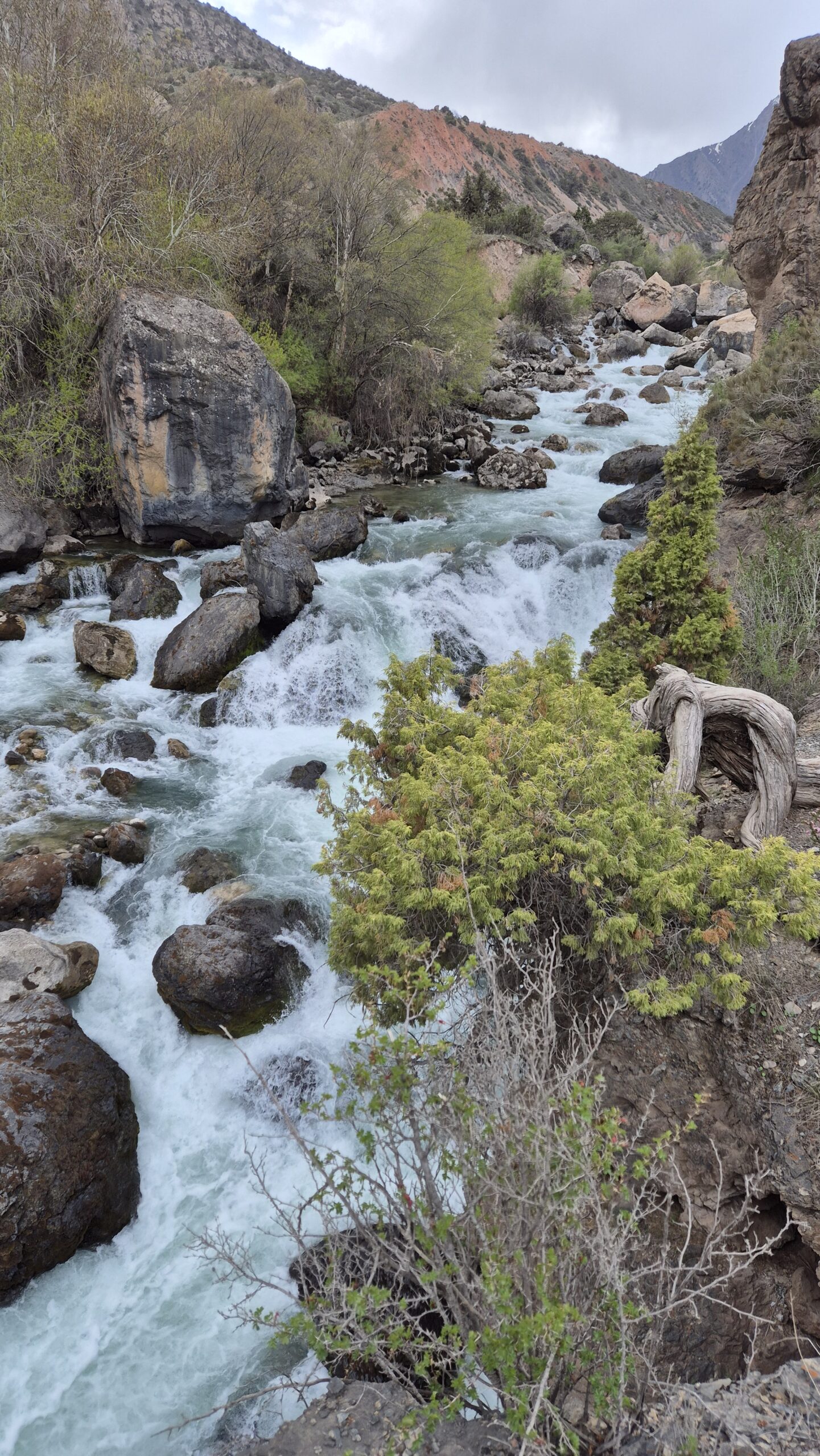
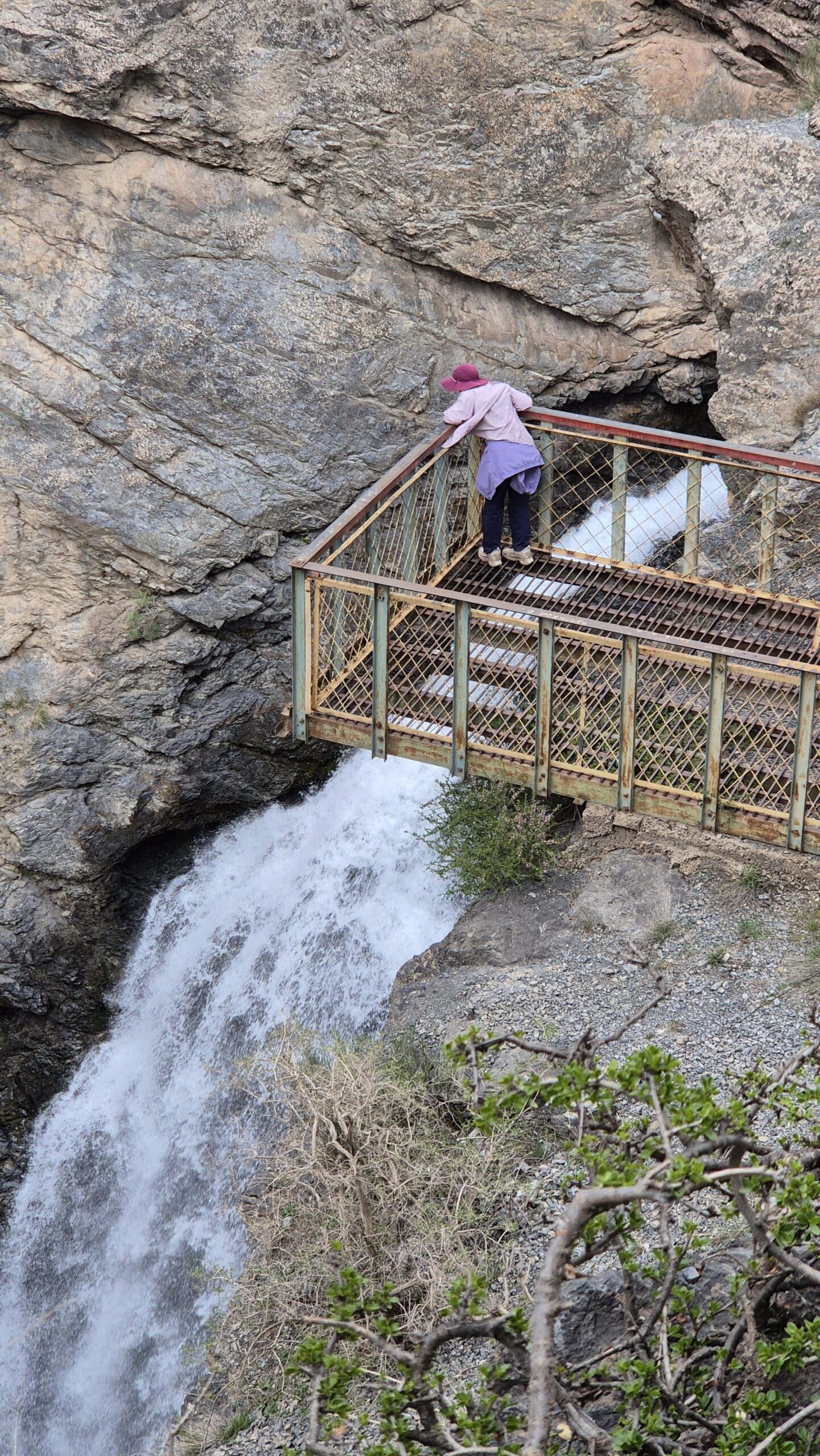
That hike brought us along an innocuous rushing stream to the sudden drop-off of the Niagara Falls of Tajikistan, Konchoch.
At Artuch Base, we did a muddy ascent up 300 meters (1000 feet) in altitude through trails made more slippery with cow dung and more challenging with a final traverse across a rock-strewn hillside, like the debris on the left in this photo.
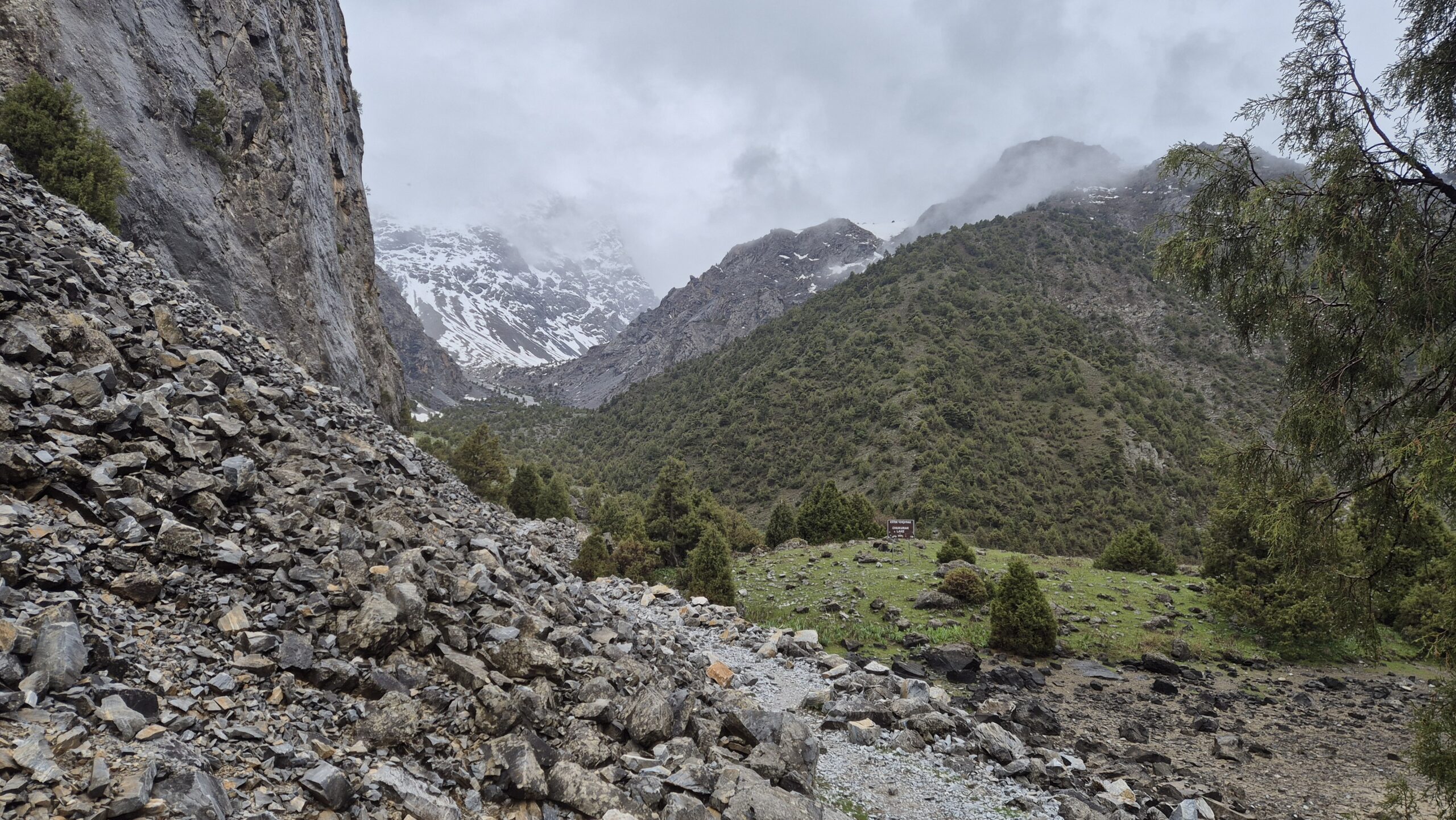
It was not exactly pleasant, with the threat of rain and the approach of evening. Nor was the lake at the top that interesting. But we did feel accomplished at the end.
Artuch, though, is more typically a launch point for long-distance hikers. A pair of Belgians, whose transport stuck for a while on the rough road to the place, were preparing for a week-long hike, as were a French group. Some Russians didn’t even use the cabins. They had set up two tents on the broad lawn, while preparing to hike from here.
At Saritoq, a more gradual 10-kilometer hike took us into a broad valley where the green meadow offset the grey and snow-topped mountains.
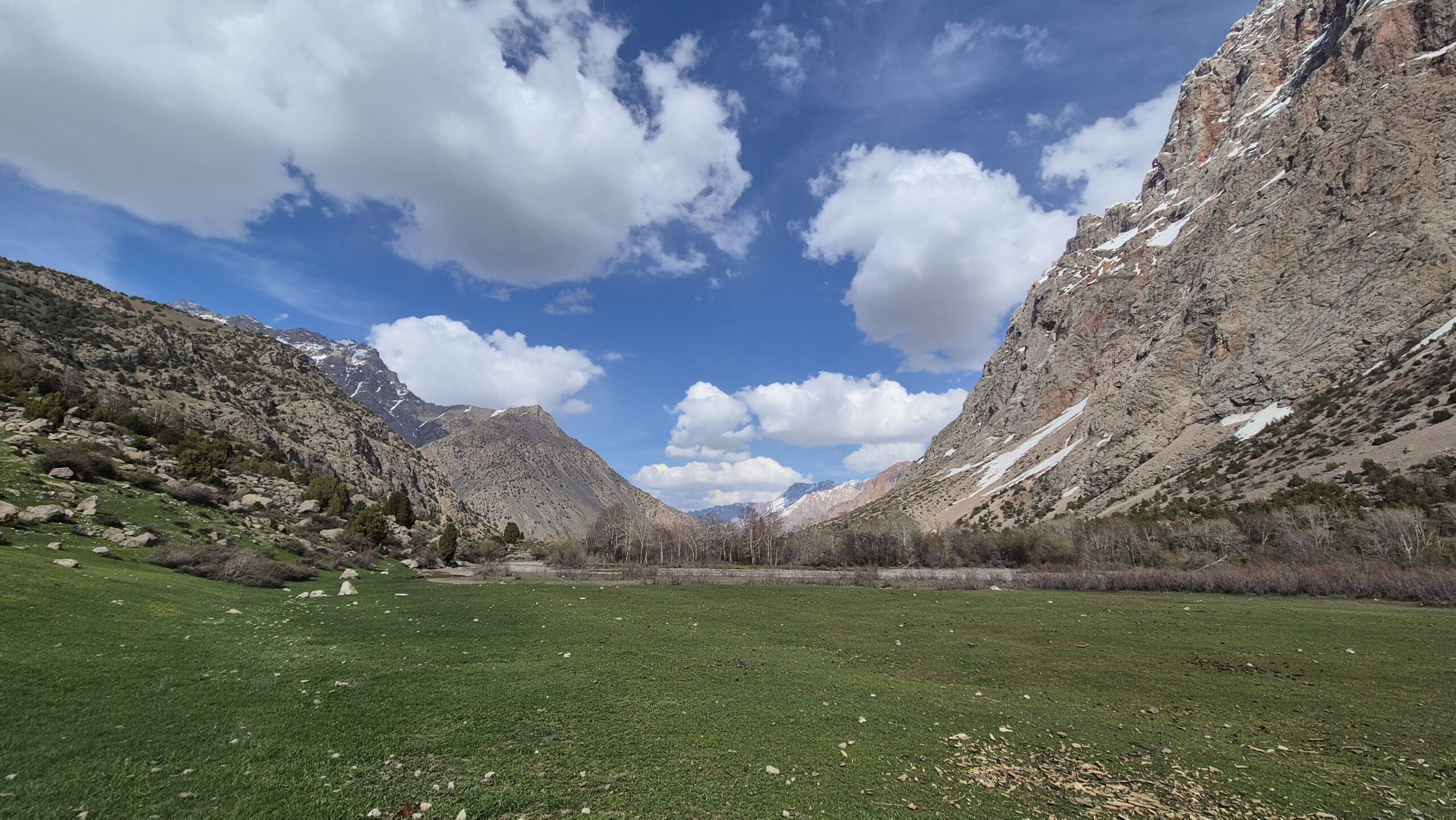
The biggest excitement, however, was the avalanche overhead on a rock face.
The Ugly: the Future?
At times, as we bumped and screamed at the roads to these enchanting mountain locations, we wished the Chinese companies would start improving the roads. Or that the government would make it easier for the increasing tourist interest in visiting these beautiful, but hard-to-reach, places
Yet, with the roads, as we saw in more accessible parts of Tajikistan, will come the ugly. Inevitably, the flocks of tourists will induce construction of grand hotels, rather than guesthouses, or tourist restaurants, rather than home kitchens. The beauty of the unspoiled natural landscape will inevitably diminish.
(To enlarge any picture above, click on it. Also, for more pictures from the five Stans of Central Asia, CLICK HERE to view the slideshow at the end of the itinerary page.)